
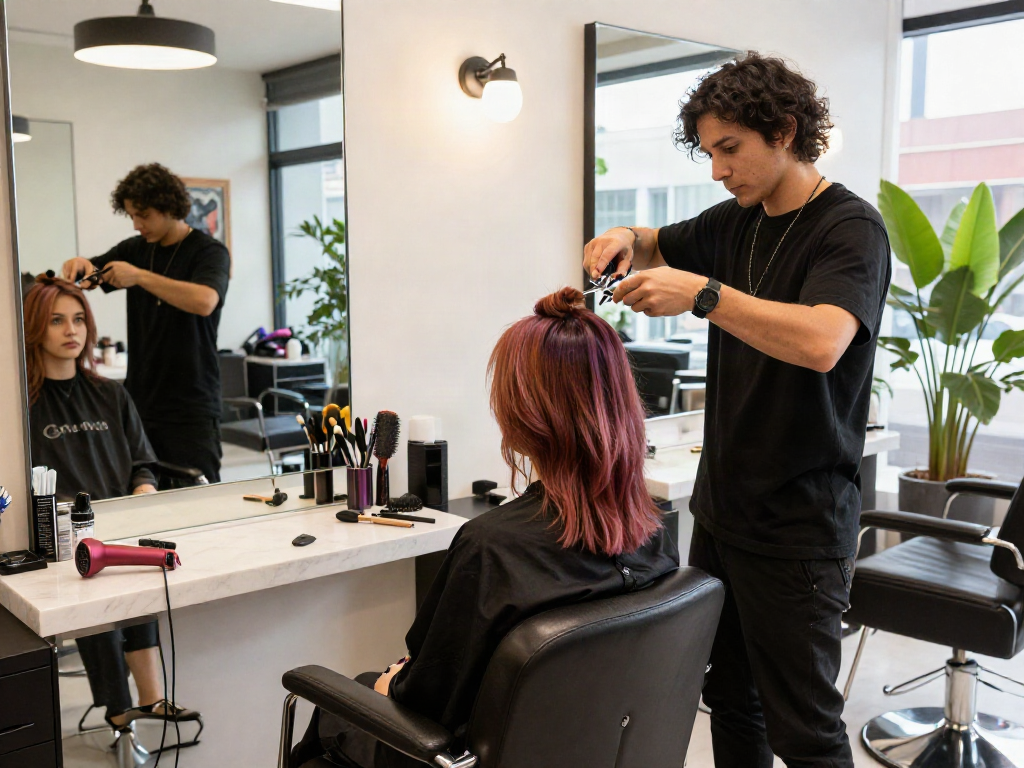
Understanding the Latest Hairstyling Trends
As we move into 2026, the hairstyling industry continues to evolve, influenced by culture, technology, and individual expression. This year promises exciting innovations and trends that cater to diverse tastes and preferences. Whether you're a hairstylist looking to stay ahead of the curve or a client seeking inspiration for your next look, understanding these trends can enhance your stylistic choices and salon experience. When exploring options, https://carbonegroupparrucchieri.it/ provides comprehensive insights into the latest styles and techniques.
Emerging Styles for 2026
The new year brings a range of hairstyles that reflect the spirit of the times. Among the standouts is the revival of the shag haircut, now morphed into a modern interpretation with softer edges and layered dimensions. This versatile cut works well with various hair textures, allowing for a personalized touch. Pixie cuts, too, are seeing a resurgence, with many opting for edgier styles that incorporate bold colors. Moreover, curtain bangs are proving to be a must-have, perfectly framing the face while enhancing layered looks.
Color Techniques Gaining Popularity
This year's color trends are all about individual expression and low-maintenance styles. The rise of *lived-in color* continues, where roots are intentionally left darker to create a more natural look as the color fades. Highlights are also evolving, with techniques like *balayage* and *foilayage* being favored for their soft, sun-kissed appearance. Additionally, pastels and vibrant hues are making their mark, allowing individuals to showcase their personality through daring color choices.
Iconic Looks Inspired by Influencers
Social media platforms remain a significant source of inspiration for hairstyling. Influencers are setting the tone with their iconic styles that range from ultra-sleek ponytails to bohemian waves. Collaborations between hairstylists and influencers have led to the creation of signature looks that embody both trendiness and practicality. Following these trends not only offers clients fresh ideas but also helps stylists stay relevant in a fast-paced industry.
Key Techniques for Effective Hair Management
To keep hair looking its best, professional techniques are essential. Understanding the various methods of cutting and styling can make a considerable difference in the final outcome. Knowing how to manage different hair types effectively ensures that each client leaves the salon satisfied and empowered.
Scissor Vs. Razor: Choosing the Right Method
When it comes to cutting hair, the debate between using scissors and razors is ongoing. Scissors provide precision and are ideal for blunt cuts and structured styles, while razors create texture and softness in layers. Each tool serves distinct purposes, and the choice ultimately depends on the desired outcome and hair texture.
Blow Drying: Techniques for Volume and Shine
Achieving the perfect blowout requires the right technique. Start by using a heat protectant to guard against damage. Round brushes can lift the roots for added volume, while a flat brush can smooth out strands. Remember, the key to achieving shine lies in the finishing touches—using a cool shot can help seal the cuticle for a glossy finish.
Best Products for Maintaining Healthy Hair
Clients often seek advice on the best products to keep their hair healthy. Professional-grade shampoos and conditioners tailored to specific hair types are essential. Additionally, incorporating leave-in conditioners, serums, and oils can provide necessary hydration and protection. Educating clients about product choices helps them maintain their salon-fresh look long after their visit.
Understanding Client Needs and Preferences
The foundation of a successful hairstyling business is understanding the needs and preferences of clients. By prioritizing their desires, stylists can build lasting relationships that encourage loyalty and satisfaction.
The Importance of Consultation
A thorough consultation is crucial before any stylistic changes. Engaging clients in a dialogue about their hair history, lifestyle, and beauty goals ensures that stylists can recommend the most suitable styles and treatments. This approach fosters trust and builds a strong stylist-client relationship.
Personalizing Hair Services for Individual Clients
No two clients are the same, and their hair services should reflect that. By personalizing each experience, stylists can enhance client satisfaction. This could involve suggesting tailored treatments or modifications to hair color based on the client's unique features and preferences.
Creating a Trustworthy Relationship with Clients
Trust is the cornerstone of a successful hairstylist-client relationship. Open communication, consistency, and delivering results build confidence among clients. Following up post-appointment to ensure satisfaction can further solidify this trust, encouraging clients to return for future services.
Tools and Equipment: Essential for Modern Salons
Modern hairstyling requires an array of tools and equipment that help deliver high-quality results. Staying updated with the latest innovations can significantly improve service efficiency and effectiveness.
Commercial vs. Professional Hair Tools
Investing in professional-grade tools can elevate the quality of services provided. While commercial tools may suffice for home use, professional stylists benefit from the durability and performance of high-end equipment, leading to better results and increased client satisfaction.
Staying Updated with Innovative Products
The hair care market is constantly evolving, introducing new products regularly. Keeping abreast of these innovations can help stylists offer clients the latest treatments and techniques, thereby maintaining a competitive edge in the industry.
Maintenance Tips for Salon Equipment
Regular maintenance of tools and equipment is essential to ensure longevity and performance. Cleaning tools after each use, checking for damage, and scheduling periodic servicing can keep equipment in prime condition, ultimately leading to better service outcomes.
Future Trends in the Hairstyling Industry
Looking ahead, the hairstyling industry is poised for transformation driven by sustainability and technology. Embracing these changes will be key to remaining relevant and responsive to client needs.
Embracing Sustainability in Haircare
With growing awareness of environmental issues, more salons are adopting sustainable practices. This includes using eco-friendly products, reducing waste, and sourcing materials responsibly. Clients are increasingly drawn to businesses that prioritize sustainability, making it an essential aspect of modern salon operations.
Technological Advancements in Hair Treatments
The integration of technology into hair care treatments is revolutionizing the industry. From virtual consultations to advanced diagnostic tools that analyze hair health, technology is enhancing the client experience. Stylists who familiarize themselves with these innovations can provide more tailored services.
Anticipating Client Behavior Changes Post-Pandemic
The pandemic has reshaped client behaviors and expectations. Clients now seek more personalized services and are more aware of health and safety protocols. Salons that adapt to these changes, including offering remote consultations or flexible scheduling, can remain appealing in this new landscape.
What Are the Most Common Hair Care Misconceptions?
Many clients hold misconceptions about hair care that can hinder their results. For example, some believe that frequent washing leads to healthier hair, while in reality, over-washing can strip essential oils. Educating clients on proper hair care practices helps them achieve the best results at home.
How Can I Choose the Right Hairstyle for My Face Shape?
Choosing the right hairstyle can be daunting. Clients should consider their face shape as a guiding factor. For instance, round faces often benefit from styles that add height, while oval faces can pull off a wide variety of looks. A stylist's expertise in this area can guide clients toward flattering choices.
What Are the Best Products for Frizzy Hair?
Clients dealing with frizzy hair often seek recommendations for products that tame unruliness. Look for hydrating formulas that contain ingredients like argan oil or shea butter to provide moisture and eliminate frizz.
How Often Should I Get My Hair Trimmed?
Regular trims are essential for maintaining healthy hair. Generally, clients should aim for a trim every 6-8 weeks, depending on their hair type and style. A stylist can provide specific recommendations based on individual needs.
What Are the Top Hairstyles for 2026?
As trends evolve, stylists should keep an eye on what’s gaining traction for 2026. The trends mentioned earlier, like shag cuts and lived-in color, will likely remain popular, along with modern twists on classic styles. It's vital for stylists to stay informed and adaptable to best serve their clientele.
What Should I Expect During a Hair Consultation?
A hair consultation sets the stage for a successful appointment. Clients can expect to discuss their hair history, desired outcomes, and any concerns they may have. A thorough consultation ensures both client and stylist are aligned on expectations, leading to satisfaction.