Understanding Bóc Ép Plastic Hà Nội
Bóc ép plastic, commonly referred to as plastic encapsulation, is a popular method in Hanoi for preserving documents and important papers. It involves encasing the paper in a layer of plastic to provide protection against wear, tear, and environmental factors. As the demand for document preservation increases, understanding the various methods and their implications is crucial for both personal and professional use. For those exploring options, bóc ép plastic hà nội provides comprehensive insights into the best practices and technologies available.
What is Bóc Ép Plastic?
Bóc ép plastic involves enveloping documents with a plastic layer, typically made from materials such as polyethylene or polypropylene. This method not only protects the documents from physical damage but also shields them from environmental influences, such as moisture and dirt. The process is often used for various documents, including certificates, identification cards, and important contracts.
Importance of Document Preservation
Preservation of documents is essential for maintaining their integrity over time. Whether for legal, academic, or personal reasons, ensuring that important papers remain in good condition is a priority for many. Bóc ép plastic offers a practical solution by creating a barrier that prevents degradation, allowing documents to be stored safely for extended periods without losing quality.
Common Misconceptions about Plastic Encapsulation
While bóc ép plastic is widely regarded as a reliable preservation method, several misconceptions linger. One common myth is that the process will inevitably cause damage to the paper inside. However, when done correctly, encapsulation can preserve paper integrity. Another misconception is that all types of documents can be encapsulated without risk; this is not true, as some older documents may be sensitive to heat and pressure used in the encapsulation process.
Methods of Bóc Ép Plastic
Using Heat: Pros and Cons
One popular method of bóc ép plastic is utilizing heat. This approach involves applying heat to soften the plastic, allowing for easier application over documents. While this method can be effective, it carries risks. High temperatures can cause the adhesive to bond too tightly to the paper, potentially resulting in damage when attempting to remove the plastic layer. Furthermore, older documents, particularly those made from fragile paper, may be more susceptible to heat damage.
Non-Force Techniques Explained
Non-force techniques are emerging as safer alternatives for removing plastic encapsulation. These methods utilize chemical solvents or special tools that do not apply pressure to the document. By minimizing physical interaction, the chances of tearing or smudging the paper are significantly reduced. This approach is particularly beneficial for delicate documents that could be irreparably damaged through traditional methods.
Comparison of Techniques: Which is Best?
The choice between heat and non-force techniques largely depends on the type of document and its condition. For valuable or fragile papers, non-force techniques are generally recommended. Conversely, heat methods may be suitable for more durable materials. It is essential to weigh the risks and benefits of each method before proceeding with the encapsulation or removal process.
Challenges in the Bóc Ép Plastic Process
Risks of Damage During Plastic Removal
Removing plastic encapsulation can present various challenges, particularly if the document has been sealed for a long time. One of the primary risks includes tearing the paper or losing printed information. The adhesive used in the encapsulation process can become more rigid over time, making it difficult to remove without damage. Understanding these risks is crucial for anyone considering the removal of plastic from their documents.
Identifying Problematic Encapsulation
Not all encapsulated documents are created equal; some may have issues that can complicate the removal process. Identifying problematic encapsulations involves checking for signs of adhesive failure or discoloration. Documents that appear to be yellowing or have bubbles under the plastic may require special attention, and it may be best to consult with a professional for their removal.
Expert Recommendations for Difficult Cases
In cases where traditional removal methods might lead to damage, experts recommend contacting professionals who specialize in document preservation. These services typically employ advanced techniques that ensure the preservation of the document's integrity while safely removing plastic encapsulation. Given their experience and tools, they can handle even the most challenging cases with confidence.
Best Practices for Effective Plastic Removal
Step-by-Step Guide for Document Preservation
- Assess the condition of the document carefully.
- Choose the appropriate method based on the document type.
- If using heat, carefully monitor the temperature to avoid damage.
- For non-force techniques, apply solvents delicately to loosen the adhesive.
- Always proceed slowly and with caution, checking the document regularly for signs of damage.
Tools and Equipment to Use at Home
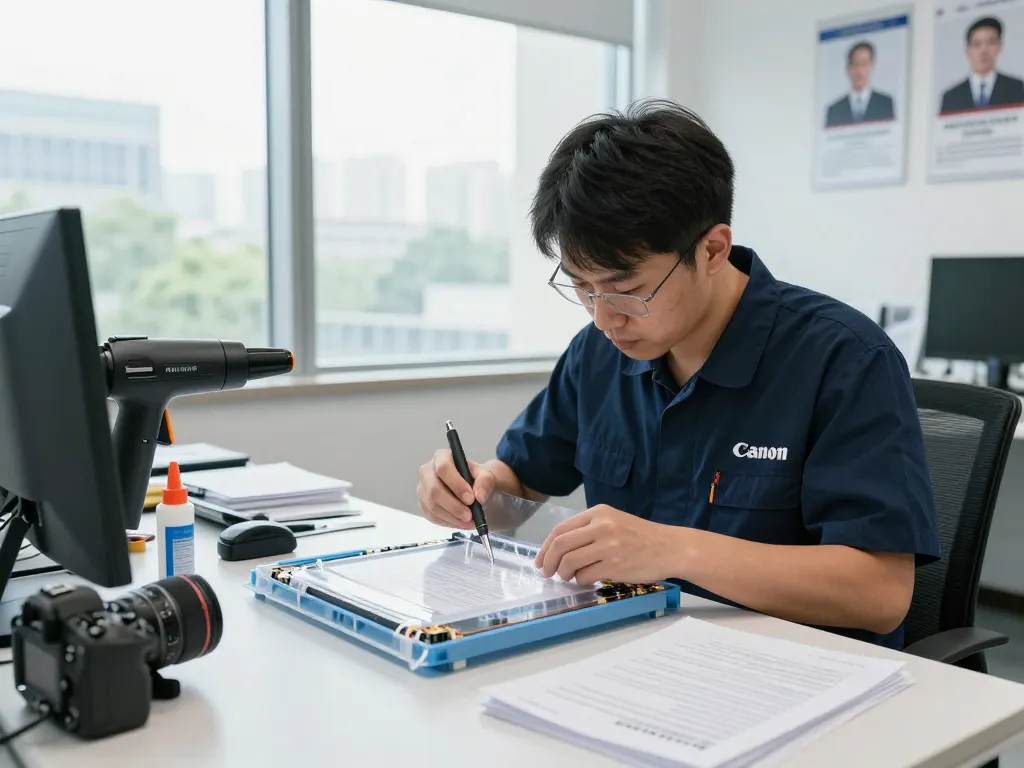
For those attempting to remove plastic encapsulation at home, several tools can make the process smoother. Tools such as heat guns, plastic peelers, or specific chemical solvents are essential. However, it is crucial to educate oneself on how to properly use these tools to avoid unintended damage to the document.
Professional Services and When to Seek Help
Professional services specializing in bóc ép plastic are invaluable when dealing with important documents. When the risk of damage outweighs the potential benefits of a DIY approach, it is wise to seek professional assistance. Professionals can provide tailored solutions and ensure that valuable documents are preserved correctly while minimizing the risk of loss.
Future Trends in Document Preservation Techniques
Innovations in Plastic Bóc Ép Methods
The field of document preservation is constantly evolving. Innovations in materials and methods are being introduced to improve the effectiveness and safety of plastic encapsulation. New adhesives and plastics that are more forgiving to remove are being developed, which can significantly enhance the preservation process.
Predictions for the Industry by 2026
As technology progresses, we can expect more automated solutions for document preservation and removal. Software that assists in determining the best method for plastic removal could soon become commonplace. Furthermore, advancements in materials science may yield more eco-friendly options that do not compromise the quality of preservation.
How Technology is Changing Document Preservation
Technology is playing a key role in enhancing document preservation techniques. From improved scanning and digital archiving to better plastic materials that resist wear, the future holds exciting possibilities. By integrating technology into traditional practices, we can ensure that important documents are preserved for generations to come.
What is the best method for removing plastic from documents?
The best method for removing plastic depends on the document type and condition. Non-force techniques are generally recommended for fragile documents, while heat methods may be more suitable for tougher materials.
Can I remove plastic at home safely?
While it is possible to remove plastic at home, caution is advised. Understanding the risks and having the right tools is essential for minimizing potential damage.
What should I look for in a professional service?
When selecting a professional service for plastic removal, look for one with experience, positive reviews, and clear guarantees regarding the preservation of your documents.
Are there risks involved with heat techniques?
Yes, heat techniques can pose risks such as damaging the paper or altering printed information if not performed carefully.
How long does the process take?
The duration of the removal process varies based on the method used and the condition of the document, ranging from a few minutes to several hours.